
David Chipperfield Architects - Campus Joaquinstraße | Berlin | Starting on 28 May 2026
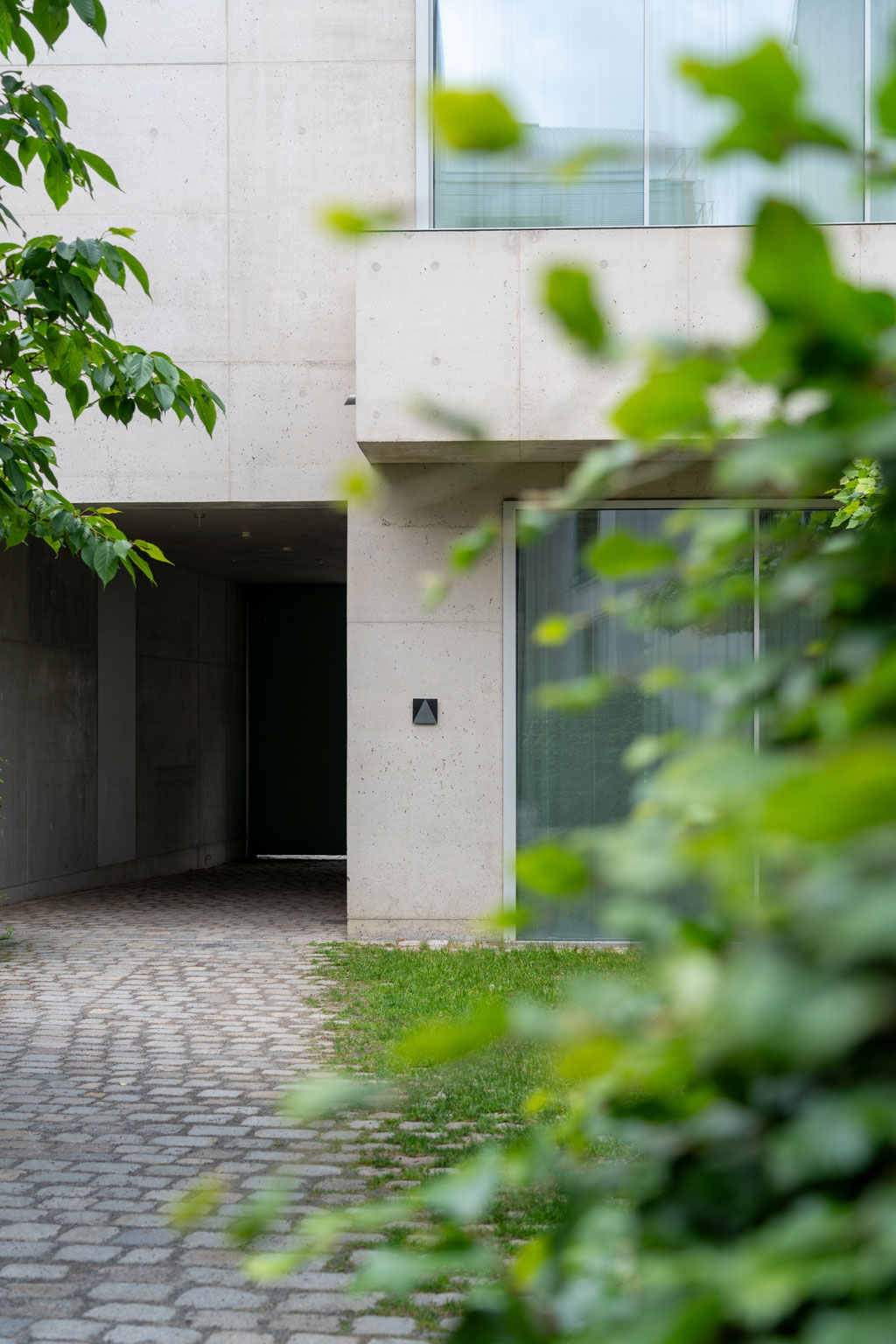

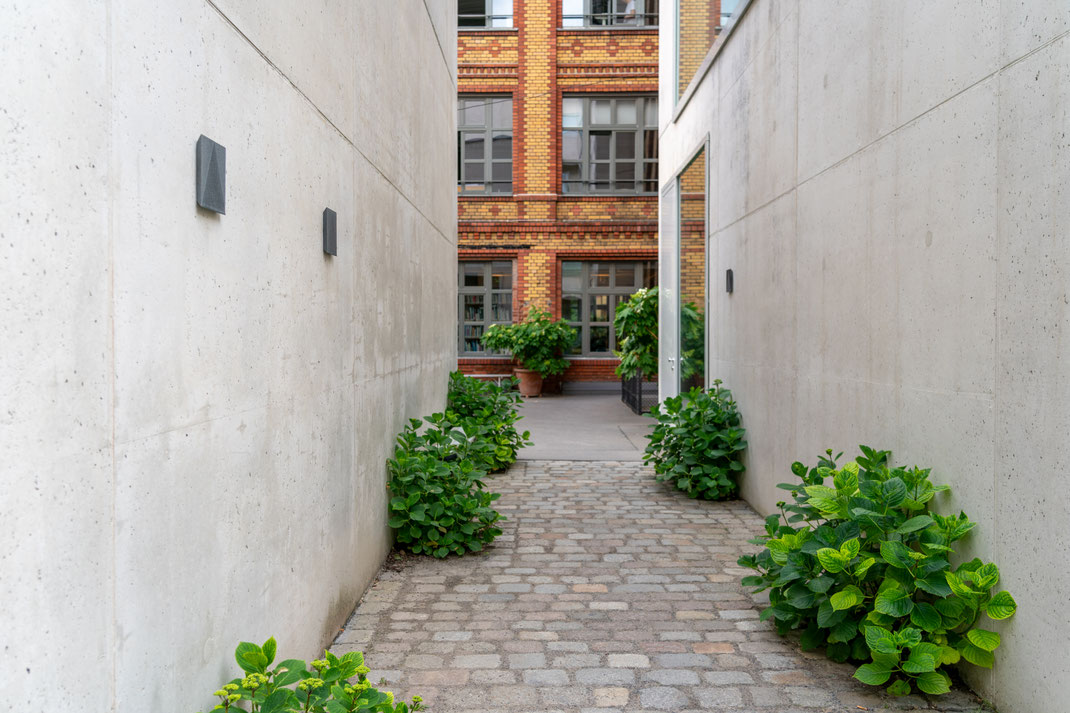
The Joachimstraße campus, home to the Berlin office of David Chipperfield Architects, emerges from an understanding of architecture far removed from the logic of the autonomous building or the iconic gesture. Rather than a sum of independent structures, the complex is organised as a sequence of courtyards, pathways and communal spaces where everyday work produces specific forms of coexistence. In this sense, the architecture of the ensemble is inscribed within a tradition of shared practices and a particular organisation of time, sustained by habit and permanence.
The title Stabilitas Loci derives precisely from one of the fundamental principles of the Benedictine tradition: the commitment to remain in a place, understood not as immobility but as a form of
collective construction grounded in duration. Without establishing a literal reference to this tradition, Álvaro Negro’s intervention recognises a structural resonance.
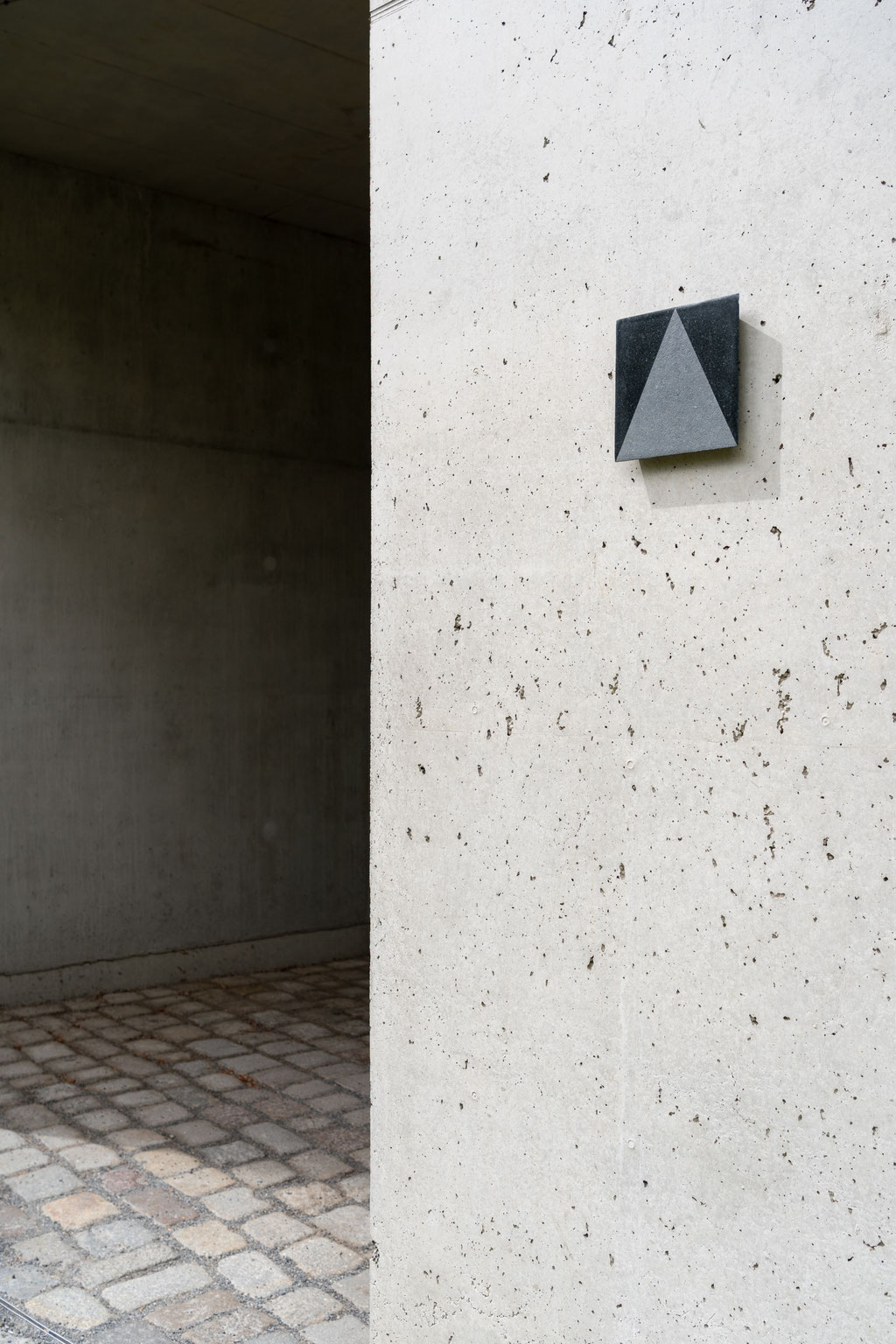
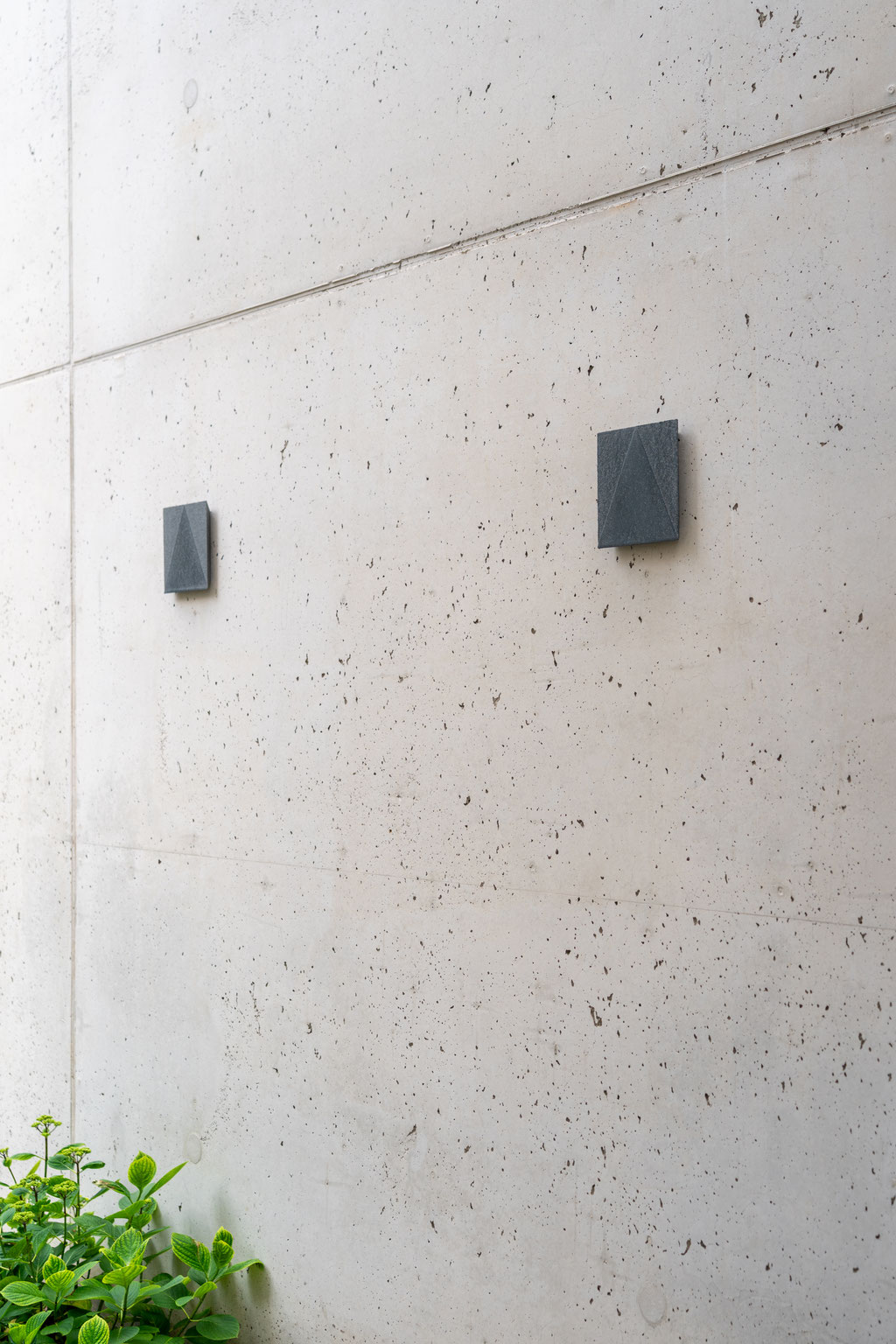
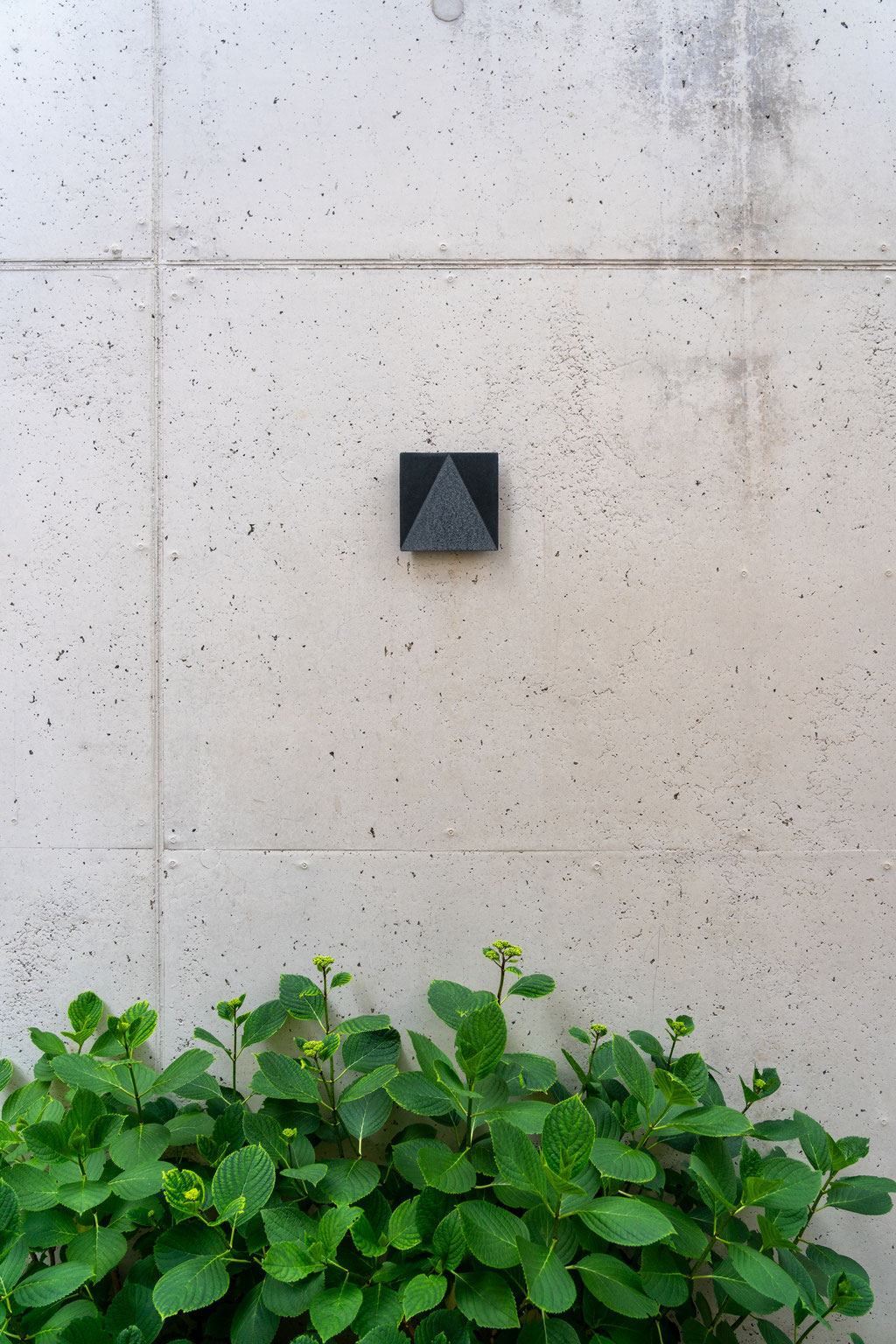
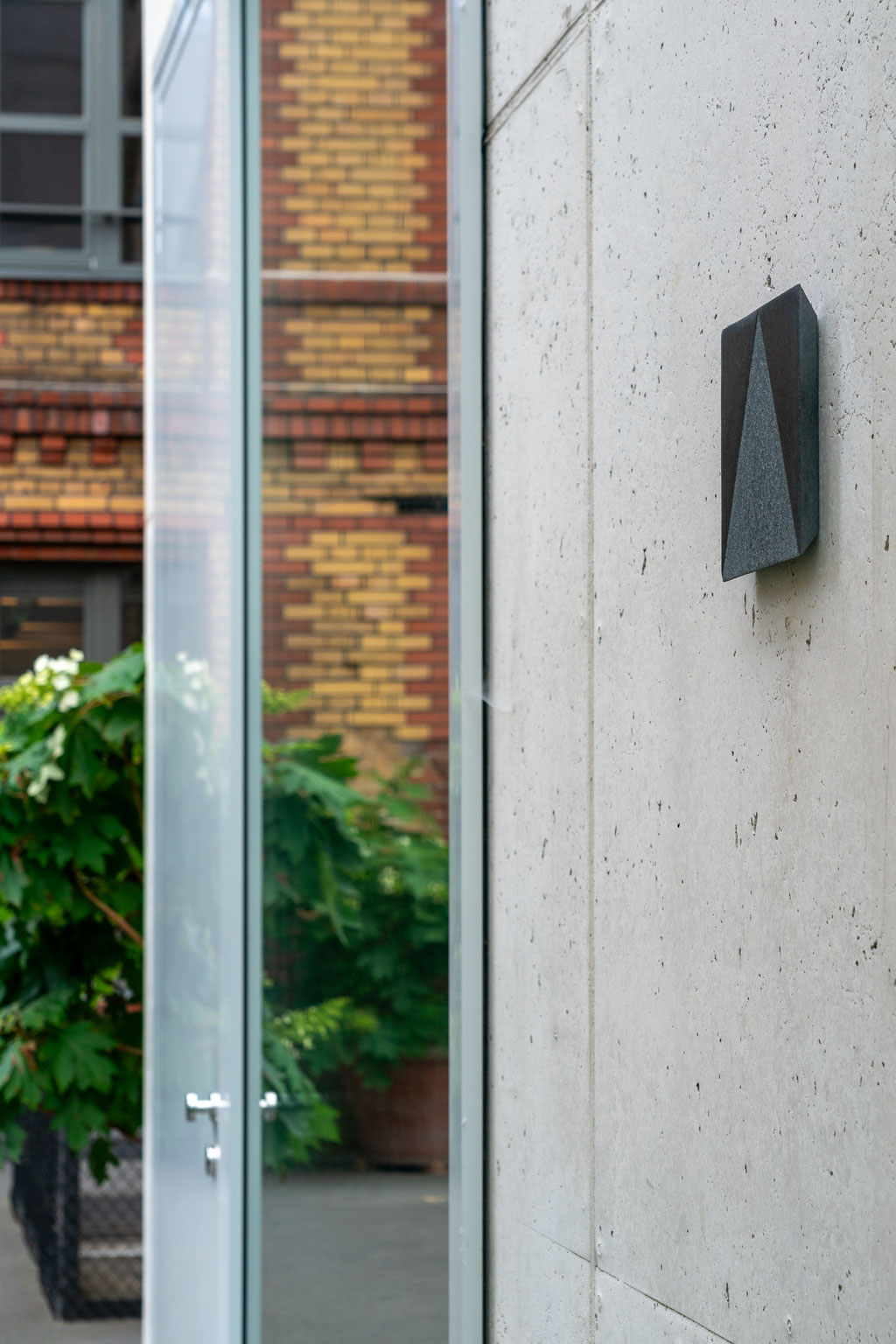
Distributed from the entrance and throughout the buildings, the works from the series Cumio (“summit”) accompany the exterior circulation through an ascensional and sequential grammar based on
the repetition and variation of a single triangular form. The ensemble develops almost like a visual canon: a structure of repetitions and differences in which each piece subtly modifies the
perception of the others. The motif refers both to elementary architectural structures and to a tradition linked to ascent and spiritual itineraries characteristic of Spanish mysticism. Rather
than functioning as isolated signs, the works operate as perceptual activations of everyday movement, establishing a polyphonic resonance with the rhythm of the campus and with the sequential
experience of its courtyards and pathways.
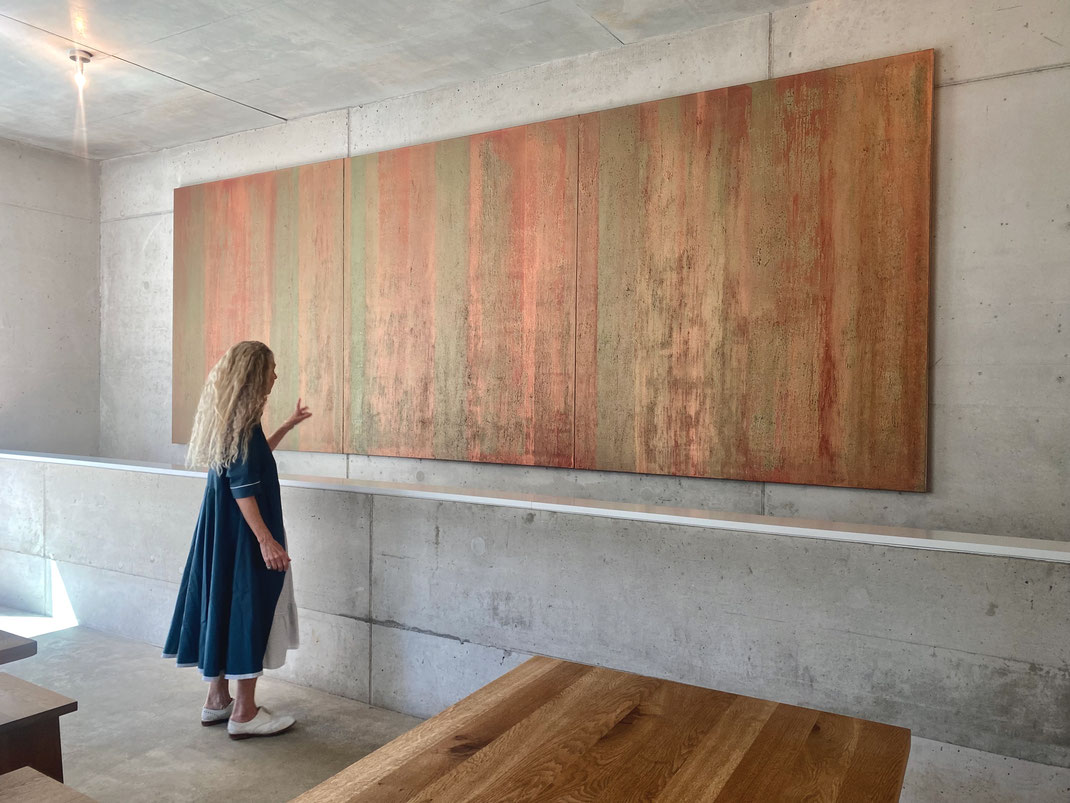
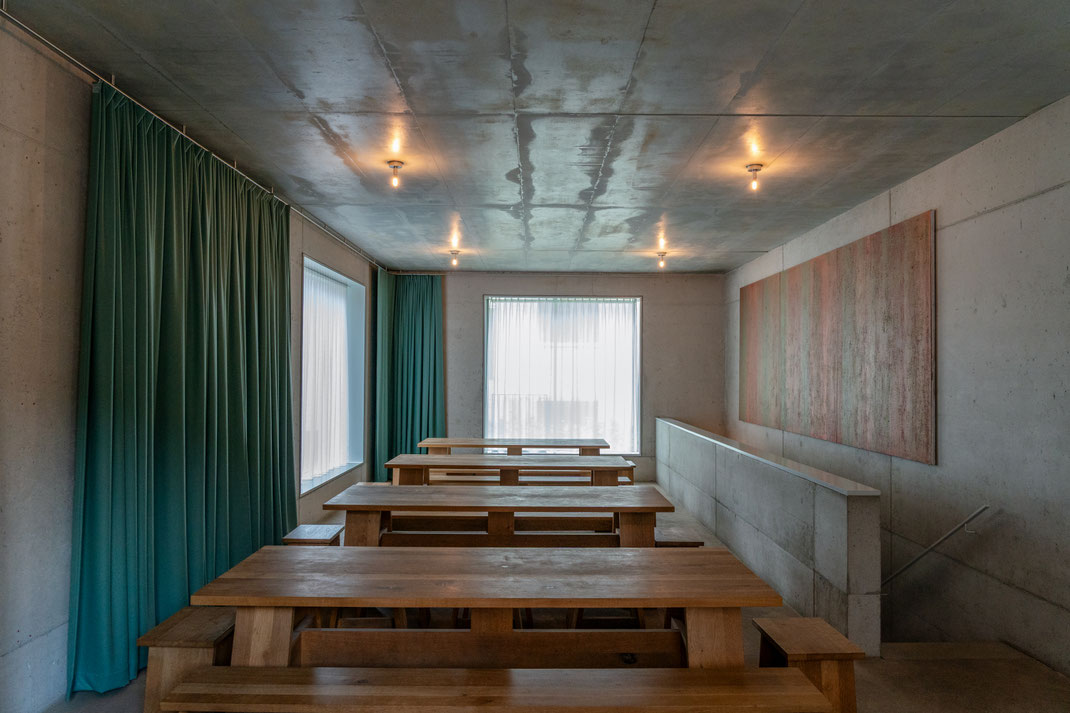
Inside the kantine — the collective nucleus of the complex — the painting Peirao introduces a different temporality. Derived from Galician, the title of the work currently refers to a pier or
landing place, yet its etymology also opens other resonances: the word shares the Indo-European root (per) with the Greek verb peiráō — to attempt, to traverse — and with perior, root of the word
“experience”. In this way, Peirao simultaneously suggests a place of transit and a space of search.
Visually, the work unfolds through the verticality of the pictorial gesture, rhythmically organised through chromatic zones and transitions that mark different intensities. Inspired by
Hölderlin’s notion of caesura, the painting also proposes a temporal experience: layers of glazes and iridescent colours transform the work according to the light and the movement of those who
move alongside it. Thus, far from interrupting everyday life, the work seeks to become part of it, accompanying the pause of the meal, encounters, conversations and moments of abstraction through
a perceptual experience oscillating between the collective and the intimate.
Between exterior and interior, movement and suspension, recurrence and concentration, Stabilitas Loci proposes an expanded reading of the architectural ensemble in which painting and architecture
share the same attention to time, use and the collective ways of inhabiting a place.


+ Peirao